
Rx12% OFF

₹557₹634
View DetailsLoading...
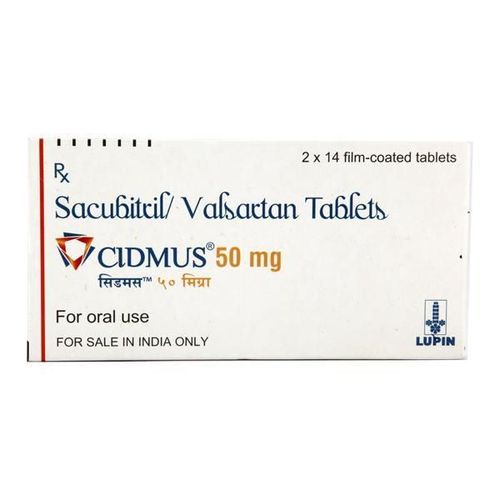
by Novartis Farma SpA· 14S
SKU: 412842
You save ₹56 on this order
Inclusive of all taxes
Cidmus 50 mg Tablet is a fixed-dose combination of Sacubitril (24 mg) and
Valsartan (26 mg), belonging to a class of medicines called ARNIs (Angiotensin
Receptor–Neprilysin Inhibitors). It is commonly included in personalized care
plans for individuals whose heart does not pump blood efficiently. This
condition may lead to symptoms like fatigue, breathlessness, or fluid retention,
especially in individuals undergoing long-term cardiovascular monitoring. Cidmus
is designed to support both heart efficiency and blood pressure stability
through dual-action mech
relax blood vessels, while valsartan blocks the effects of substances that
tighten them.
Cidmus is generally recommended for patients with chronic heart-related
conditions who require support in maintaining circulatory balance and reducing
strain on the heart. Clinical studies have shown that ARNI combinations can
contribute to improved cardiovascular outcomes when used consistently under
specialist supervision. It may be considered in individuals who have previously
used ACE inhibitors or ARBs and require a more advanced approach to managing
heart efficiency and blood pressure regulation.
The tablet is usually taken once or twice daily, as directed by a physician. It
can be taken with or without food, but should be consumed at the same time each
day to maintain steady levels in the bloodstream. Patients must avoid using this
medicine within 36 hours of taking an ACE inhibitor, and regular monitoring of
blood pressure, kidney function, and potassium levels is essential. Those with a
history of angioedema or severe liver or kidney conditions should inform their
healthcare provider before starting this medication. Avoid sudden posture
changes, stay hydrated, and follow dietary recommendations to enhance safety
during use.
Cidmus is not recommended during pregnancy as it may affect fetal development,
and its use during breastfeeding is generally avoided unless advised otherwise
by a healthcare provider. Women of childbearing potential should consult their
doctor regarding appropriate contrace
Common side effects may include dizziness, low blood pressure, changes in kidney
function, or elevated potassium levels. Most side effects are manageable under
medical guidance, but any persistent symptoms should be promptly reported.
Cidmus 50 mg Tablet contains a combination of sacubitril and valsartan, which is
often prescribed to individuals diagnosed with certain heart-related conditions.
When used as part of a structured health plan, it can assist in supporting the
heart’s pumping capacity and overall function. This is particularly relevant for
individuals with conditions that may affect how effectively the heart supplies
blood to the body.
Individuals with decreased heart efficiency may experience fatigue, shortness of
breath or fluid retention. Under proper supervision, Cidmus 50 mg is used to
help in the management of these symptoms by promoting better blood circulation
and reducing the workload on the heart. This support may contribute to improved
day-to-day comfort and energy levels.
Cidmus 50 mg Tablet are part of a group of medicines that assist in maintaining
cardiovascular balance. By supporting stable blood pressure and fluid
management, it can play a role in helping regulate heart rhythm as advised by
healthcare professionals. Consistent use under guidance may support a more
regular heart pattern.
Cidmus 50 mg Tablet is often used under clinical guidance to support balanced
blood pressure levels in individuals with specific heart-related conditions.
Stable blood pressure is a key factor in reducing strain on the heart and
maintaining consistent cardiovascular performance. As part of a broader cardiac
health plan, Cidmus 50 mg may assist in minimizing blood pressure fluctuations,
thereby contributing to more effective heart function monitoring over time.
Cidmus 50 mg Tablet works to support the heart’s ability to pump blood more
effectively. Sacubitril helps increase levels of natural substances in the body
that promote blood vessel relaxation and fluid balance, easing the heart’s
workload. Meanwhile, valsartan supports this effect by helping to manage the
tension in blood vessels. This combined action helps the heart work more
efficiently, supporting better circulation and contributing to overall
cardiovascular wellness when used as part of a doctor-guided care plan.
Cidmus act through different but complementary pathways. Sacubitril inhibits
neprilysin, an enzyme responsible for breaking down beneficial pe
help relax blood vessels and reduce fluid buildup. Valsartan blocks specific
receptors involved in narrowing blood vessels and raising blood pressure. This
dual mech
making it easier for the heart to function o
offer a comprehensive approach to supporting heart health under medical
supervision.
Cidmus 50 mg Tablet work to support blood pressure management in individuals
with specific heart-related conditions. Sacubitril enhances the effect of
natural substances that relax blood vessels and support fluid balance, while
valsartan helps reduce the action of hormones that cause blood vessel narrowing.
This dual action supports smoother blood flow and helps reduce pressure within
the circulatory system. When included in a medically guided care plan, Cidmus
contributes to maintaining more stable blood pressure, easing the effort
required by the heart to pump blood efficiently.
If you forget to take a dose of Cidmus 50 mg Tablet, take it as soon as you
remember. However, if it is almost time for your next scheduled dose, skip the
missed dose and continue with your regular dosing schedule. Do not take a double
dose to make up for a missed one, as this may increase the risk of side effects
like low blood pressure or dizziness. It is important to take the tablet
consistently each day to maintain its effectiveness. If you frequently miss
doses, consider setting a daily reminder or alarm, and consult your doctor for
support strategies.
Taking more than the prescribed dose of Cidmus 50 mg Tablet may lead to a
significant drop in blood pressure (hypotension), dizziness, or complications
related to kidney function or electrolyte imbalance. In case of an accidental or
intentional overdose, seek immediate medical attention. Do not attempt to manage
symptoms on your own. Keep the medication out of reach of children and store it
as per the instructions on the label. Prompt medical guidance is essential to
manage overdosage safely and effectively.
When to Seek Medical Attention?
Stop taking CIDMUS 50MG TABLET and contact your doctor immediately if you
experience any of the following side effects:
!### Pregnancy
ContraindicatedCIDMUS 50MG TABLET is not recommended for use in early pregnancy and must not be
used in pregnant women when more than 3 months pregnant, as it may cause serious
harm to the baby. Consult your doctor before taking CIDMUS 50MG TABLET if you
think you may be pregnant.
!### Breastfeeding
ContraindicatedCIDMUS 50MG TABLET is not recommended for use in breastfeeding women. Consult
your doctor before taking CIDMUS 50MG TABLET if you are breast-feeding or about
to start breast-feeding.
!### Driving and Using Machines
Use with CautionAvoid driving or handling any machines while taking CIDMUS 50MG TABLET because
it may cause dizziness or tiredness.
!### Kidney
Use with CautionCIDMUS 50MG TABLET should be used with caution in patients with severe kidney
disease and with narrowed kidney artery. Consult your doctor before taking
CIDMUS 50MG TABLET.
!### Liver
Consult your doctorCIDMUS 50MG TABLET is not recommended for use in patients with severe liver
disease and it should be used with caution in patients with liver disease.
Consult your doctor before taking CIDMUS 50MG TABLET.
!### Allergy
ContraindicatedDo not take CIDMUS 50MG TABLET if you are allergic (hypersensitive) to
Sacubitril and Valsartan.
!### Use In Pediatrics
ContraindicatedCIDMUS 50MG TABLET is generally not recommended for use in children and
adolescents (under 18 years of age). Consult your child’s doctor for advice.
!### Use In Geriatrics
Use with CautionCIDMUS 50MG TABLET should be used with caution in elderly patients (above 65
years of age). Consult your doctor before taking CIDMUS 50MG TABLET.
Before taking CIDMUS 50MG TABLET inform your doctor if you have:
CIDMUS 50MG TABLET is not recommended for use, if you have:
Patients with low blood pressure (hypotension) should exercise caution when
using Cidmus 50 mg Tablet, as this medication can further lower blood pressure.
It is important to monitor blood pressure regularly to avoid symptoms such as
dizziness, light-headedness, or fainting, especially when standing up quickly.
To help manage these risks, healthcare providers may start treatment at a lower
dose and adjust gradually based on individual response.
Patients should avoid activities that require full alertness, like driving or
operating machinery, until they understand how Cidmus affects their blood
pressure. Staying hydrated and rising slowly from sitting or lying positions can
also help minimize symptoms. If signs of very low blood pressure occur-such as
severe dizziness, confusion, or weakness-it is important to seek medical advice
promptly.
Always communicate any history of low blood pressure with your doctor before
starting Cidmus, and never adjust the medication dose without professional
guidance.
Incorporating gentle movement into your daily routine can play a valuable role
in maintaining heart efficiency, especially for individuals using medicines like
Cidmus 50 mg Tablet. Light activities help encourage circulation, maintain
muscle tone, and support overall cardiovascular well-being—without putting
excess strain on the heart.
Here are some safe and commonly recommended light activities:
A short walk (10–20 minutes) once or twice a day—whether indoors or in a shaded outdoor space—can help maintain stamina and boost circulation.
Gentle morning or evening stretches promote joint mobility and reduce stiffness. Consider slow neck rolls, shoulder stretches, or ankle circles.
Ideal for individuals with limited mobility. Seated leg lifts, arm raises, or gentle twists can help activate muscles while staying safe.
Deep breathing practices (like diaphragmatic breathing) support oxygen intake and help regulate heart rhythm. Pair with short mindfulness sessions for added benefit.
Tasks like folding laundry, watering plants, or light dusting keep the body moving without overexertion.
| Parameter | Cidmus (Sacubitril + Valsartan) | ACE Inhibitors (e.g., Enalapril, Ramipril) |
| Drug Class | ARNI (Angiotensin Receptor-Neprilysin Inhibitor) | ACEI (Angiotensin-Converting Enzyme Inhibitor) |
| Mech | ||
| Clinical Benefit in Heart Health | Shown to support better cardiac outcomes and reduce hospitalizations in certain heart failure types (PARADIGM-HF trial) | Effective in improving symptoms of heart inefficiency; standard therapy |
| Commonly Used For | Heart function support in patients with reduced ejection fraction | Management of heart function and blood pressure |
| Effect on Blood Pressure | Strong blood pressure-lowering effect; may require monitoring | Moderate blood pressure control; well-established use |
| Risk of Cough | Lower risk of dry cough | Higher incidence of persistent dry cough |
| Angioedema Risk | Possible, but slightly lower than ACEIs | Notable risk of angioedema, especially in certain ethnic groups |
| Use After ACE Inhibitors | Requires a 36-hour washout period after stopping ACEI | Can be started directly as a first-line medicine |
| Kidney Monitoring | Required – may affect renal function and potassium levels | Also requires regular kidney and electrolyte monitoring |
| Pregnancy Use | Not recommended during pregnancy | Not recommended during pregnancy |
| Dosing Convenience | Fixed-dose combination – convenient once/twice daily | Available in multiple dosing o |
| Guideline Preference | Preferred in updated heart failure guidelines for specific patients | Still used but gradually being replaced in some patients |
Cidmus 50 mg Tablet may interact with other medicines that affect blood
pressure, kidney function and electrolyte balance. Understanding these
interactions is important to ensure safe and effective use of this medicine,
especially for individuals who are on multiple medications as part of their
chronic care management.
Below are some commonly recognized drug interactions associated with Cidmus 50
mg, along with general precautions and management advice:
Cidmus 50 mg Tablet is typically well tolerated with or without food. However,
certain dietary factors may influence the effectiveness and safety of the
medication, especially in individuals managing chronic heart conditions. Being
mindful of what you eat and drink while taking Cidmus can help maintain stable
blood pressure and avoid unwanted effects.
Below are the key food-related interactions and how to manage them effectively:
| Drug | : | Sacubitril and Valsartan |
| Pharmacological Category | : | Neprilysin Inhibitor, Angiotensin II Receptor Blocker |
| Therapeutic Indication | : | Heart failure |
| Dosage Forms | : | Tablet |
A: Cidmus 50 mg is commonly prescribed for adults with certain types of chronic
heart failure. It helps improve the efficiency of the heart by lowering strain,
improving blood flow, and managing symptoms like fatigue or shortness of breath.
The combination of sacubitril and valsartan supports long-term heart health
under clinical supervision.
A: Yes, Cidmus is generally considered safe for long-term use when monitored
regularly by a healthcare provider. Long-term usage helps support stable cardiac
function and reduce hospitalizations related to heart failure. Periodic
evaluations are necessary to assess kidney function, blood pressure, and
electrolyte balance.
A: Yes, Cidmus may affect kidney function, especially in people with existing
kidney issues or when taken with other medicines like NSAIDs. Doctors usually
monitor kidney function through blood tests during ongoing use. Staying
well-hydrated and avoiding nephrotoxic drugs helps manage this risk.
A: Yes, low blood pressure (hypotension) is a known effect of Cidmus,
particularly when starting therapy or after a dosage change. Patients may
experience dizziness or lightheadedness. It is important to rise slowly from
sitting or lying positions and avoid activities that require alertness if
symptoms occur.
A: Older adults may be more sensitive to the blood pressure-lowering and
kidney-related effects of Cidmus. Close monitoring and slower dose adjustments
are often recommended for elderly patients. Physic
electrolyte levels more frequently in this group.
A: Blood tests are typically recommended at regular intervals, particularly
during the first few months of therapy. Tests often include serum potassium,
sodium, kidney function (creatinine, BUN), and sometimes liver function. Your
doctor will adjust the frequency based on your individual health profile.
A: Cidmus should be avoided by individuals who are allergic to sacubitril or
valsartan, those with a history of angioedema, severe liver impairment, or
pregnant women. It is also not recommended for people currently on ACE
inhibitors or those with severely low blood pressure unless advised otherwise by
a doctor.
A: It is advisable to limit salty foods while on Cidmus, as high sodium intake
can worsen fluid retention and strain the heart. Following a low-sodium diet
helps enhance the effectiveness of the medicine and supports better cardiac
function.
A: No, Cidmus is not safe during pregnancy. It may harm fetal development and is
contraindicated in all trimesters. Women of reproductive age should use
effective contrace
immediately if pregnancy is suspected.
A: Potassium supplements are generally not recommended with Cidmus unless
specifically advised by your doctor. The medication can raise potassium levels,
and combining it with supplements or potassium-rich foods can lead to
hyperkalemia, a potentially serious condition.
A: Routine tests include serum potassium, sodium, kidney function tests (like
serum creatinine and BUN), and sometimes blood pressure monitoring. These help
assess how well the medicine is working and ensure it is not causing side
effects.
A: Initially, follow-up visits may be more frequent—every 2 to 4
weeks—especially after starting therapy or adjusting the dose. Once your
condition stabilizes, visits may become less frequent, usually every 3 to 6
months, depending on individual health status.
A: Yes, home monitoring of blood pressure is encouraged while taking Cidmus. It
helps track your response to therapy and alerts you to potential hypotension.
Keep a record of your readings and share them with your healthcare provider
during appointments.
A: Yes, engage in moderate activities like walking, but avoid strenuous
exercises unless cleared by your doctor. Monitor for any unusual symptoms during
physical activity.


