
Rx12% OFF

₹58₹65.9
View DetailsLoading...
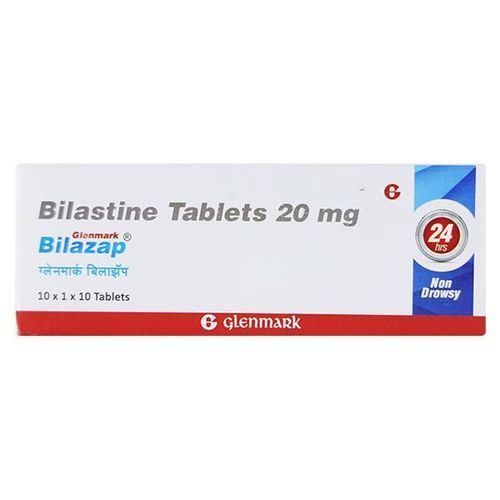
by Hetero Labs Ltd (Unit III)· 10S
SKU: 891411
You save ₹17 on this order
Inclusive of all taxes
BILAZAP 20MG TABLET is used to relieve the symptoms of hay fever (such as
sneezing, itching, a runny and stuffy nose, and red or watery eyes) and other
forms of allergic rhinitis. It is also used to manage itchy skin rashes (hives,
or urticaria).
BILAZAP 20MG TABLET contains Bilastine, which belongs to the group of medicines
called Antihistamines. It works by stopping the binding of histamine (a chemical
that is produced by the immune system) to its receptor in the body, and in
severe cases, it inhibits the initiation of an allergic reaction.
BILAZAP 20MG TABLET is not recommended for use in patients with a history of
irregular heartbeats. Before taking BILAZAP 20MG TABLET, inform your doctor if
you have moderate or severe renal impairment or a personal or family history of
heart problems.
BILAZAP 20MG TABLET should not be used during pregnancy as a precautionary
measure, and it should be used with caution in breast-feeding women. Consult
your doctor before taking this medicine.
BILAZAP 20MG TABLET is not recommended for use in children (less than 12 years
of age). The most common side effects of taking BILAZAP 20MG TABLET are
headache, drowsiness, nasal irritation, and stomach pain. Consult your doctor if
any of the side effects worsen.
It is used to:
BILAZAP 20MG TABLET works by stopping the binding of histamine (a chemical that
is produced by the immune system) to its receptor in the body, and in severe
cases, it inhibits the initiation of an allergic reaction.
Take BILAZAP 20MG TABLET as advised by your doctor. Swallow the medicine with
enough water. Do not crush or chew the medicine. Try to take BILAZAP 20MG TABLET
daily at the same time in the evening. Your doctor will decide the correct dose
and duration of BILAZAP 20MG TABLET for you depending upon your age, body
weight, and disease condition.
Stop taking BILAZAP 20MG TABLET and contact your physician immediately if you
experience any of the following side effects:
!### Diarrhea
Drink plenty of clear fluids, like water, diluted fruit juices, or oral
rehydration solutions, to stay hydrated. Avoid caffeinated or alcoholic
beverages, as they can worsen dehydration. Gradually take bland, low-fiber foods
like bananas, rice, applesauce, and toast to help firm up stools. Probiotics,
found in yogurt or supplements, may help restore the balance of gut bacteria.
Practice good hand hygiene to prevent the spread of infection. Consult your
doctor if diarrhea worsens.
!### Dry Mouth
Sip water regularly throughout the day to keep your mouth moist. Use a
humidifier in your home, especially in your bedroom, to add moisture to the air.
Maintain good oral hygiene by brushing your teeth at least twice a day and
flossing daily. Use fluoride toothpaste to help protect your teeth. Use an
alcohol-free mouthwash, as alcohol can dry out the mouth. Reduce your intake of
caffeine, alcohol, tobacco, spicy, and salty foods, which can worsen dry mouth.
Chewing sugar-free gum or sucking on sugar-free candies can stimulate saliva
production. Incorporate moist foods into your diet, such as soups and stews. Use
a lip balm to prevent dry lips. If dry mouth persists, consult your doctor.
Ensure adequate fluid intake, as dehydration can cause headaches.Maintain a
consistent sleep schedule, aiming for 7-9 hours of quality sleep per night. Eat
balanced meals at regular intervals to avoid blood sugar fluctuations that can
trigger headaches. Practice relaxation techniques such as meditation, yoga, or
deep breathing exercises to reduce stress levels. Engage in regular physical
exercise, which can help reduce the frequency and severity of headaches. Apply a
cold pack or warm compress to the forehead or neck to alleviate pain. Consult
your doctor if a headache persists.
!### Nausea And Vomiting
Stay hydrated with small sips of clear fluids like water, ginger ale, or
electrolyte solutions. Avoid consuming large meals; instead, opt for bland,
easy-to-digest foods. Ginger, peppermint, or chamomile tea may help soothe the
stomach. Rest in a comfortable position, preferably with your head elevated, to
ease symptoms. Consult your doctor if nausea persists.
!### Stomach Pain
Avoid spicy or fatty foods, caffeine, or alcohol that may exacerbate symptoms.
Eat a bland diet consisting of easily digestible foods like rice, bananas,
applesauce, and toast. Applying a heating pad or taking a warm bath can also
help soothe abdominal muscles and alleviate discomfort. Drink plenty of fluids
to stay hydrated but avoid excessive consum
If stomach pain persists, consult your doctor.
!### Pregnancy
ContraindicatedBILAZAP 20MG TABLET should not be used during pregnancy as a precautionary
measure. Consult your doctor before taking it.
!### Breastfeeding
Use with CautionBILAZAP 20MG TABLET should be used with caution in breastfeeding women. Consult
your doctor before taking it.
!### Driving and Using Machines
Use with CautionBILAZAP 20MG TABLET does not affect the driving performance of adults. Consult
your doctor if you feel any side effects during management with BILAZAP 20MG
TABLET that may stop you from driving or using machines.
!### Alcohol
Consult your doctorBILAZAP 20MG TABLET does not increase the drowsiness produced by alcohol.
Consult your doctor before taking it.
!### Kidney
Use with CautionBILAZAP 20MG TABLET should be used with caution in patients suffering from
moderate to severe kidney impairment. Consult your doctor before taking it.
!### Allergy
ContraindicatedDo not take BILAZAP 20MG TABLET if you are allergic to bilastine or any of the
other ingredients in this medicine.
!### Heart Disease
Consult your doctorBILAZAP 20MG TABLET is not recommended for use in patients with a history of
irregular heartbeat, and it should be used with caution in patients suffering
from heart problems or a family history of heart problems. Consult your doctor
before taking it.
!### Use In Pediatrics
ContraindicatedBILAZAP 20MG TABLET is not recommended for use in children (less than 12 years
of age). Consult your child’s doctor for advice.
!### Use In Geriatrics
SafeBILAZAP 20MG TABLET can be used in elderly patients without any dose
adjustments. Consult your doctor before taking it.
A. Drug-Drug interactions:
B. Drug-food interactions:
Avoid taking BILAZAP 20MG TABLET with food or with grapefruit juice or other
fruit juices, as this will decrease the effect of this medicine.
Overdosage:
If you or anyone else accidentally takes too much of BILAZAP 20MG TABLET,
consult your doctor immediately or visit the nearby hospital. Symptoms of an
overdose may include dizziness, headaches, and nausea.
| Drug | : | Bilastine |
| Pharmacological Category | : | Antihistamine |
| Therapeutic Indication | : | Seasonal Allergic Rhinitis, Chronic Spontaneous Urticaria |
| Dosage Forms | : | Tablet, Dispersible tablet, Oral Solution, Syrup |
Q: What is BILAZAP 20MG TABLET used for?
A: BILAZAP 20MG TABLET is used to relieve the symptoms of hay fever (such as
sneezing, itchy, runny, blocked-up nose, and red and watery eyes) and other
forms of allergic rhinitis, which is usually caused by an allergen such as
pollen, dust, mold, or flakes of skin from certain
manage itchy skin rashes (hives, or urticaria).
Q: Can BILAZAP 20MG TABLET be used in pregnant women?
A: BILAZAP 20MG TABLET should not be used during pregnancy as a precautionary
measure. Consult your doctor for advice before taking BILAZAP 20MG TABLET if you
are pregnant or planning to get pregnant.
Q: IsBILAZAP 20MG TABLET safe to use in patients with kidney
impairment?
A: BILAZAP 20MG TABLET should be used with caution in patients suffering from
moderate to severe kidney impairment. Your doctor may regularly monitor your
kidney function tests during the management of this medicine. Consult your
doctor before taking BILAZAP 20MG TABLET.
Q: What are the common side effects of BILAZAP 20MG TABLET?
A: The most common side effects of taking BILAZAP 20MG TABLET are headache,
drowsiness, nasal rhinitis (nasal irritation), allergic conjunctivitis (eye
irritation), and stomach pain. Consult your doctor if any of the side effects
worsen.
Q: Can I drive or operate any machines after taking BILAZAP 20MG TABLET?
A: BILAZAP 20MG TABLET does not affect the driving performance of adults.
Consult your doctor if you feel any side effects during management with BILAZAP
20MG TABLET that may stop you from driving or using machines.
Q: Can I use BILAZAP 20MG TABLET with children?
A: BILAZAP 20MG TABLET is not recommended for use in children (less than 12
years of age). Consult your child’s doctor for advice.
Q: What should I avoid while taking BILAZAP 20MG TABLET?
A: Avoid taking BILAZAP 20MG TABLET with food or with grapefruit juice or other
fruit juices, as this will decrease the effect of this medicine.
Q: What is the best time to take BILAZAP 20MG TABLET?
A: Take BILAZAP 20MG TABLET on an empty stomach (at least one hour before meals
or two hours after meals) or as directed by the doctor.
Q: Is BILAZAP 20MG TABLET safe for kidneys?
A:BILAZAP 20MG TABLET should be used with caution in patients suffering from
moderate to severe kidney impairment. Consult your doctor before taking it.
Q: Does BILAZAP 20MG TABLET make you drowsy?
A: BILAZAP 20MG TABLET makes drowsiness a common side effect. Ensure proper
hydration, as dehydration can cause dizziness. Avoid excessive caffeine,
alcohol, and high-sodium foods, which can exacerbate symptoms. Engage in
physical therapy or vestibular rehabilitation exercises designed to improve
balance and reduce dizziness or drowsiness. Move slowly when changing positions,
such as standing up or lying down, to avoid triggering dizziness. Practice
relaxation techniques such as deep breathing, meditation, or yoga to manage
stress, which can contribute to dizziness. Consult your doctor if drowsiness
persists.
Q: Can BILAZAP 20MG TABLET be used for cold?
A: BILAZAP 20MG TABLET is not used to manage colds caused by viruses. It is used
to relieve the symptoms of hay fever (such as sneezing, itching, a runny and
stuffy nose, and red or watery eyes) and other forms of allergic rhinitis. It is
also used to manage itchy skin rashes (hives, or urticaria). Consult your doctor
for advice.


